A Century Deep: Inside the Jonathan Club’s Thoughtful Revival by Tim Barber Architects
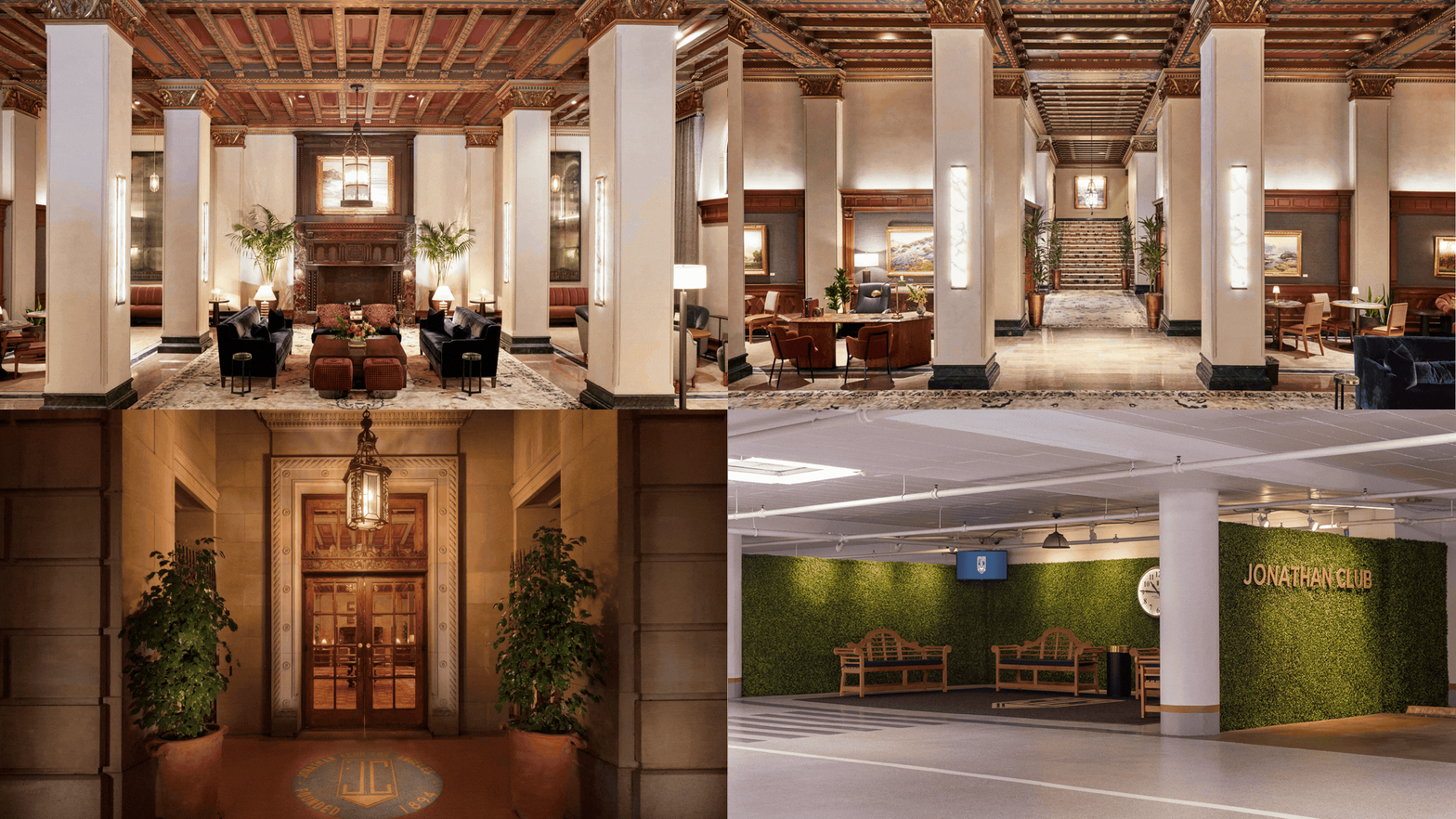
If walls could talk, the Jonathan Club’s Downtown Los Angeles headquarters would never stop monologuing. Opened in 1925 and designed by storied hotel architects Schultze & Weaver, the Renaissance Revival landmark has witnessed everything from the birth of LA’s avocado industry to the deal that brought the Dodgers out west. Now, just as the building hit its centennial, the club is marking the moment not with a freeze-frame tribute to the past, but instead with a thoughtful evolution, led by Tim Barber Architects.
Founded in 1895, the Jonathan Club predates its iconic Figueroa Street home by three decades. When the Town Club finally opened, it was the tallest building in Downtown LA, capped at the city’s then-maximum height of 150 feet. Inside, the details were unapologetically lavish: hand-painted ceilings by Vatican-trained artist Giovanni Smeraldi, ornate wood carvings crafted by early Hollywood set designers, pink Tennessee marble floors, and a fifth-floor wellness level so progressive it included a basketball court, Turkish baths, and a jaw-dropping indoor pool.
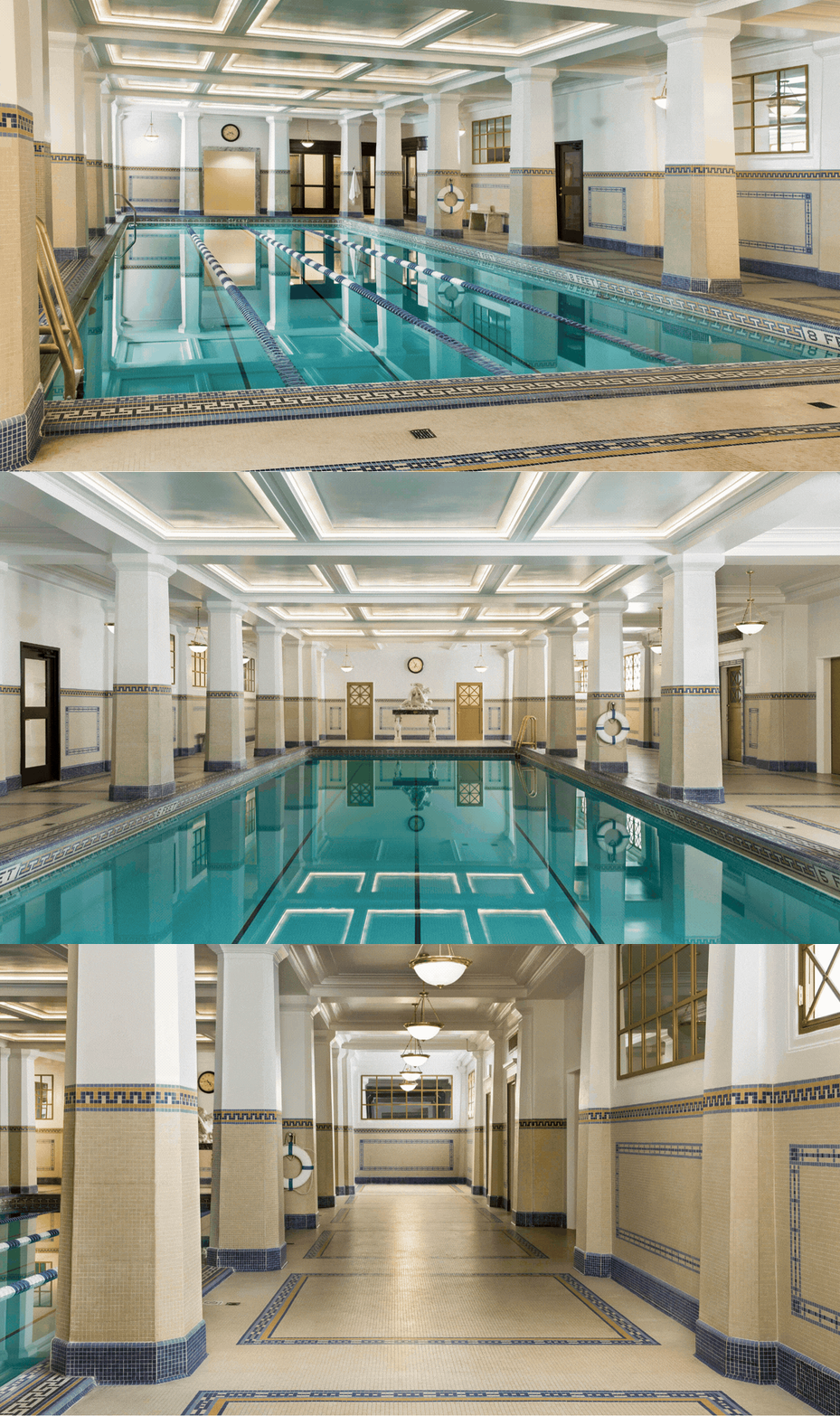
That pool became Tim Barber Architects’s first restoration project when the firm began working with the club in 2013. And it quickly revealed just how much history was hiding in plain sight. “We discovered that the 1960s parking addition had covered the original windows to the pool,” Tim explains. “We converted these long-closed windows into back-lit fenestration … and added mirrors to enhance the light.” The team also tracked down the original tile manufacturer to faithfully recreate the mosaic flooring, wainscot, and pool coping—a level of material commitment that borders on architectural detective work.
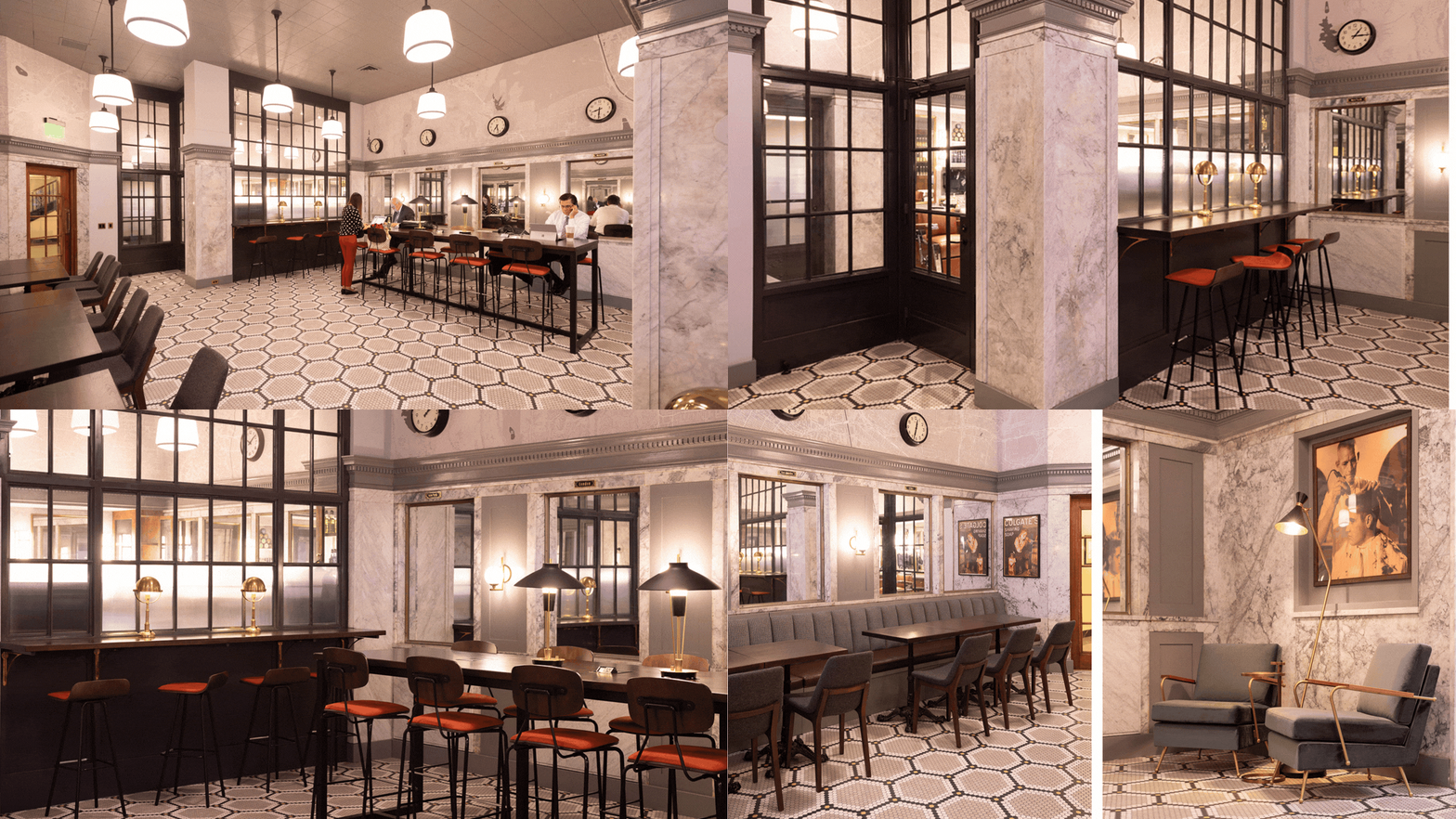
For Tim, knowing when to restore and when to adapt is everything. “The first task is to write a conservation statement,” he says. “Significant features must be conserved as-is or restored. Lower significance allows for adaptation for modern use.” That mindset has guided restoration across the decade, including restoring brass pool ladders and transforming the original barbershop—once essential for train-weary businessmen—into a modern internet lounge, while preserving its marble wainscot and millwork.
This isn’t a museum; it’s a living, breathing club. “Times have changed,” Tim notes plainly. Case in point: the rooftop cigar lounge. When smoking indoors was banned in the ’90s, the firm created a tented, open-air retreat with a classical form, heaters, drapery, and some of the city's best views. It’s now one of the club’s most beloved destinations.
Throughout the building, layers of LA history continue to surface. Original Batchelder tiles were uncovered during a recent renovation. The library has remained untouched since the 1920s. Gargoyles, featuring playing cards, still look down from the main restaurant. And the rooftop (once rumored to be a Prohibition-era hideaway) is now an urban garden producing fruits and vegetables for the club’s kitchens.
After a century of adaptations, Tim sees the Jonathan Club as a masterclass in longevity. “We must imagine the future and design our buildings to adapt to change,” he says. “Nothing guarantees sustainability like a commitment to the spirit of the place: collegiality, comfort, convenience, and beauty.”
At 100 years old, the Jonathan Club isn’t clinging to its past. It’s doing what Los Angeles does best: reinventing, without forgetting where it started.
—Murrye Bernard